
resources · crisis communication
The Empathy Gate: the first sentence decides whether they hear you
By Corey Dierdorff, MPIO · July 11, 2026 · 6 min read
A community is reeling. People have died. And the first words out of the official podium are about process: the timeline of the response, the resources deployed, the decisions made.
Every one of those facts is true and necessary, and not one of them is what a grieving public needs to hear first.
People cannot hear your facts until they believe you feel the weight of what happened. Empathy is a first principle of crisis communication, named in the CDC's own framework alongside being first, being right, and being credible. It is the thing that earns you the standing to be heard at all.
The order that passes the gate.
People in grief or fear are not processing data. They are scanning for one thing: whether you care. If you fail that scan in your first sentence, they discount everything that comes after it, no matter how accurate.
- Acknowledge the human cost. Name the loss, and name the people where it is right to. Say it plainly.
- Express genuine care. Not a performance, not a press-release phrase. The plain truth that you grieve with them.
- Commit to the people, not just the process. Promise them the truth and your full effort, directed at them, not at protecting the institution.
- Then deliver the information. Timeline, facts, actions. All of it lands now, because you earned the standing to say it.
The families come before the timeline, every time. A public that believes you grieve with them will follow you through the hardest facts. A public that thinks you led with bureaucracy will not.
Do not defend before you grieve.
The questions have turned. Yesterday it was what happened. Today it is did you fail. And every instinct your agency has is to reach for the record: we followed the protocol, the decision was reasonable, we did what the manual said.
All of that may be true. None of it is what you lead with.
There is one test, and you can apply it to any sentence before you say it: who does this serve? If it serves the public's understanding, it explains. If it serves your reputation, it defends. Say the explaining kind first, and be honest with yourself about which one you are reaching for.
The accountability order:
- Acknowledge the harm, plainly. No softening, no pivot.
- Commit to the truth, even if it implicates you. Promise to find it and share it.
- Take responsibility for the response going forward. What you will do now.
- Only then, the context. When asked, when confirmed, and never as your opening.
The trap is certainty. I have no regrets and we did everything right slam a door the public needs open. We are reviewing every decision, including our own, and we will tell you what we find is stronger than any defense, because it is unafraid.
Empathy is not admission.
The lawyer in the room has one word for you: nothing. Say nothing, admit nothing, feel nothing on the record, because every kind word is a future exhibit. And the lawyer is not wrong about the risk.
But if you follow that advice all the way down, you walk out and tell a grieving family that you cannot comment on an ongoing matter, and you have just told them, in legal language, that you do not care.
You can say you are devastated by a loss without saying you caused it. You can grieve with a family without conceding fault. The cold non-statement is not safe. It is a different kind of damage.
What you can almost always say without admitting fault:
- That you are devastated by the loss.
- That the people affected have your full attention.
- That you are committed to understanding exactly what happened.
- That you will share the truth as you learn it.
None of that concedes a cause. Know where the line is, and live right up against it on the human side. We are so sorry this happened to your family expresses sorrow, not liability.
And work with counsel, not around them. Bring the lawyers the empathetic language in advance and ask them to make it defensible, instead of letting them hand you silence. A good PIO and a good lawyer can almost always find a sentence that is both caring and safe.
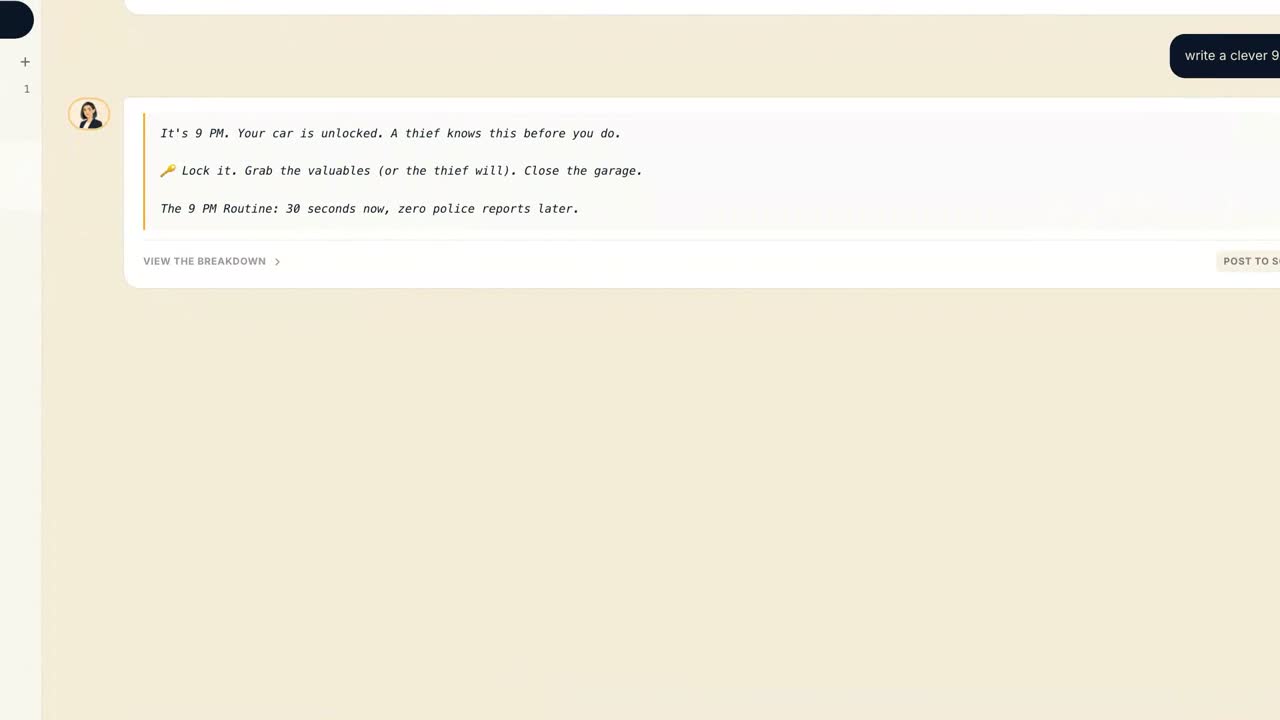
watch it work
The 9 PM routine post
Community voice, without the lecture.
this doctrine is built into Cass.
Every draft Cass writes carries these disciplines by default, and a credentialed PIO approves every word. Beta is free.
Claim your seat →